September 16, 2026
Navigating roadside emergencies requires clear expectations and reliable support from qualified transportation professionals. Light-duty towing services exist to assist drivers operating passenger vehicles, small sedans, SUVs, and light trucks during unexpected breakdowns, accidents, or simple vehicle relocations across town. Understanding how professional operators approach roadside management empowers vehicle owners to make calm, informed choices when unexpected delays disrupt daily schedules. This comprehensive guide highlights what drivers should anticipate when requesting professional roadside assistance and vehicular transport from an established roadside assistance company.
Modern roadside recovery companies continuously refine their procedures to deliver efficient and safe assistance under challenging circumstances. Through advanced dispatch networks, trained professionals, and specialized equipment, standard transport providers aim to reduce wait times and minimize stress for drivers stranded on busy roadways or remote side streets.
1. Rapid Dispatching Systems For Faster Arrival Times
The market size for the towing industry in the United States grew at a compound rate of 5.4% between 2020 and 2025, according to IBISWorld. This consistent growth highlights an increasing reliance on commercial roadside assistance to keep busy highways clear, maintain traffic flow, and keep commuters moving smoothly every day. When requesting help along a crowded highway or isolated rural route, motorists naturally expect prompt response times that prioritize personal safety. Leading providers rely on sophisticated geographic tracking software, real-time satellite navigation, and automated dispatch management systems to identify the nearest available operator, effectively minimizing customer wait times and reducing the risk of secondary traffic accidents on high-speed thoroughfares.
Promptness is maintained through strategic fleet deployment and continuous communication between central dispatch offices and field drivers. Operators maintain constant readiness by strategically positioning recovery units near high-traffic corridors, major highway interchanges, and dense urban centers. This structural planning ensures that stranded motorists receive real-time location updates and realistic arrival estimations throughout the waiting period. When commercial firms offering towing services prioritize streamlined communication networks and optimized route navigation, drivers spend significantly less time waiting on hazardous shoulder lanes or in adverse weather conditions. The combination of modern tracking technology and strategic vehicle positioning ensures that help arrives as quickly as possible.
2. Operator Qualifications And Safety Benchmarks
Professional vehicle transport relies on highly trained technicians who hold industry recognized certifications and complete rigorous safety courses. Operators undergo extensive classroom coursework and hands-on practical training covering secure hookup methods, weight distribution calculations, hydraulic system management, and road hazard mitigation techniques. This deep technical expertise prevents unnecessary stress on a passenger vehicle's suspension, alignment, frame, or sensitive electronic drivetrain during loading and transit. When a qualified technician arrives on scene, motorists can expect a thorough assessment of the situation before any physical loading procedures or mechanical hookups begin.
Beyond mechanical know-how, professional operators prioritize safety protocols that protect both the stranded motorist and passing traffic. Technicians utilize high-visibility protective apparel, bright directional illumination, and tactical traffic cones to establish a safe, highly visible work zone around the disabled vehicle. Communication remains a crucial skill, as clear explanations regarding loading procedures, transport routes, and drop-off logistics help ease customer anxiety during stressful situations. Top-tier transport professionals treat every call with maximum care and attention to detail, ensuring that vehicles are secured tightly with specialized straps and transported in full compliance with municipal and state transportation safety regulations.
3. Transport Capabilities For Diverse Vehicles
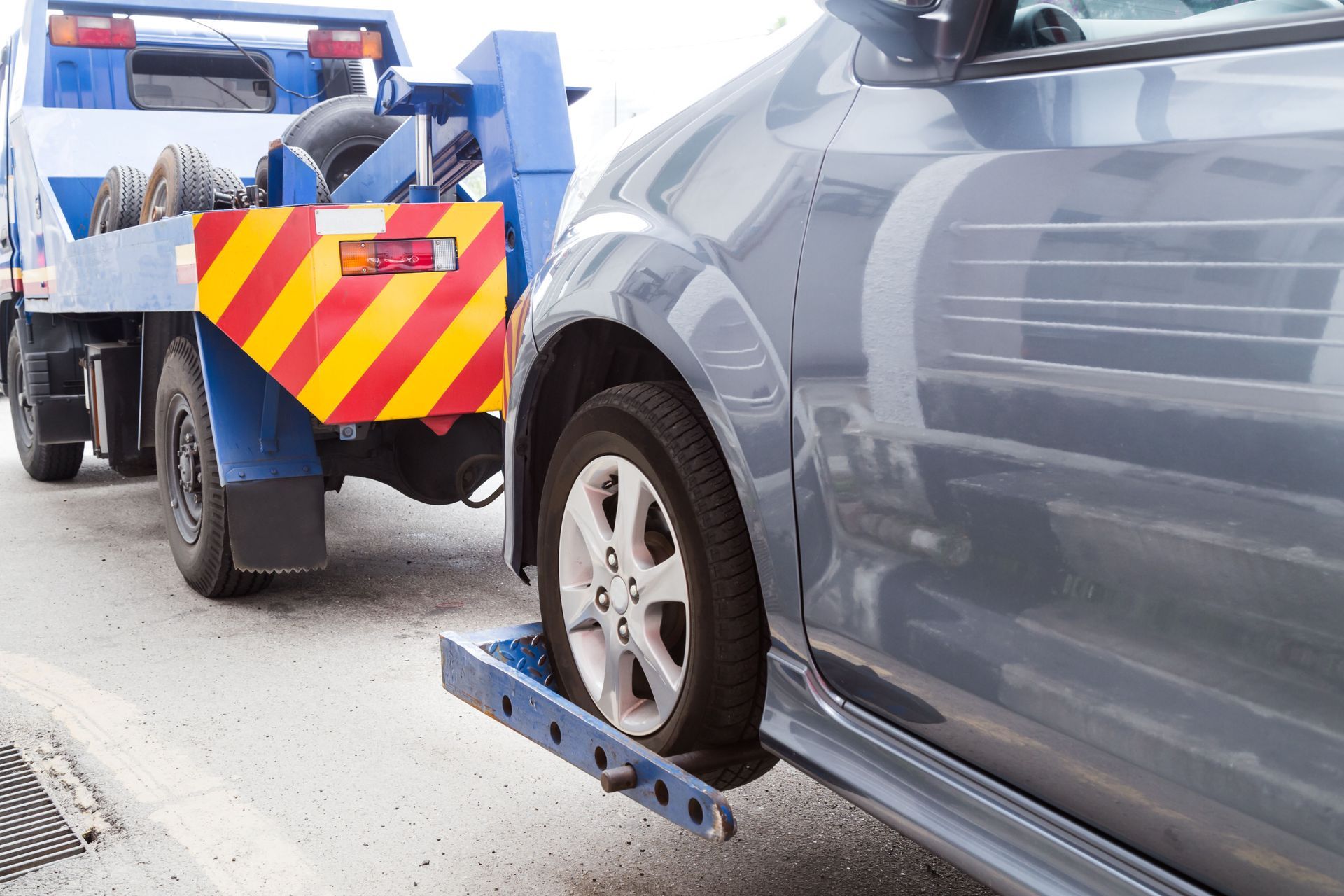
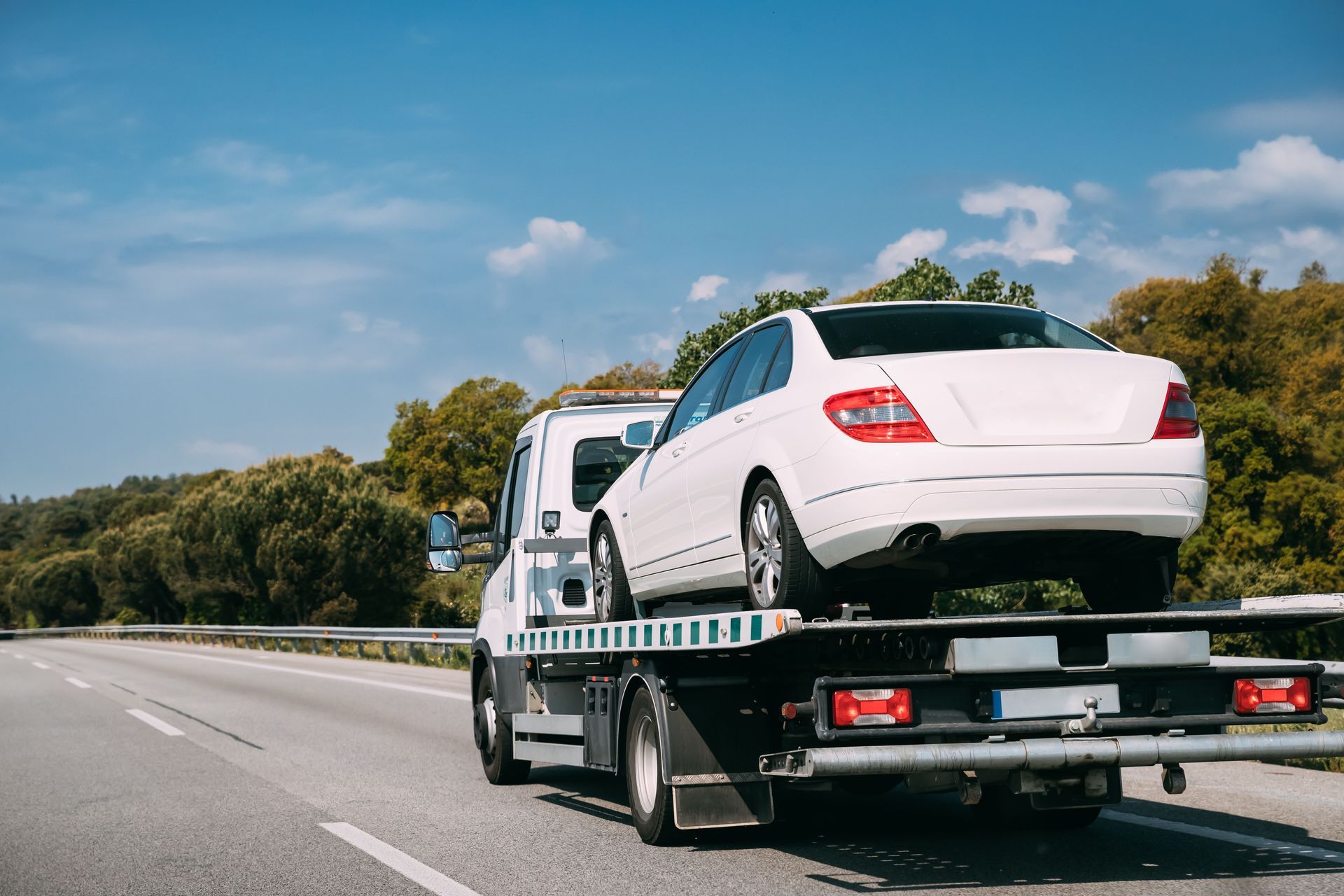
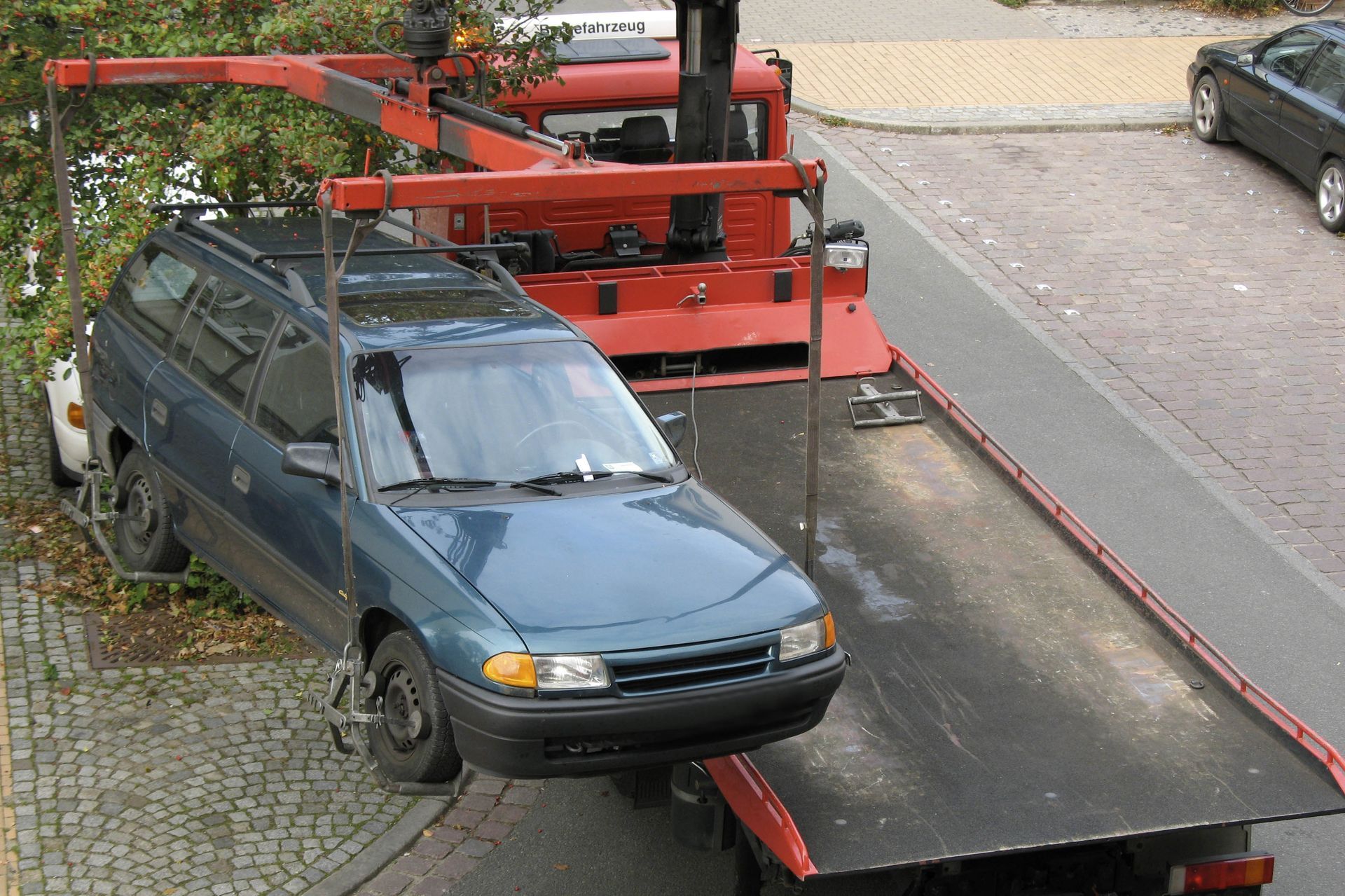
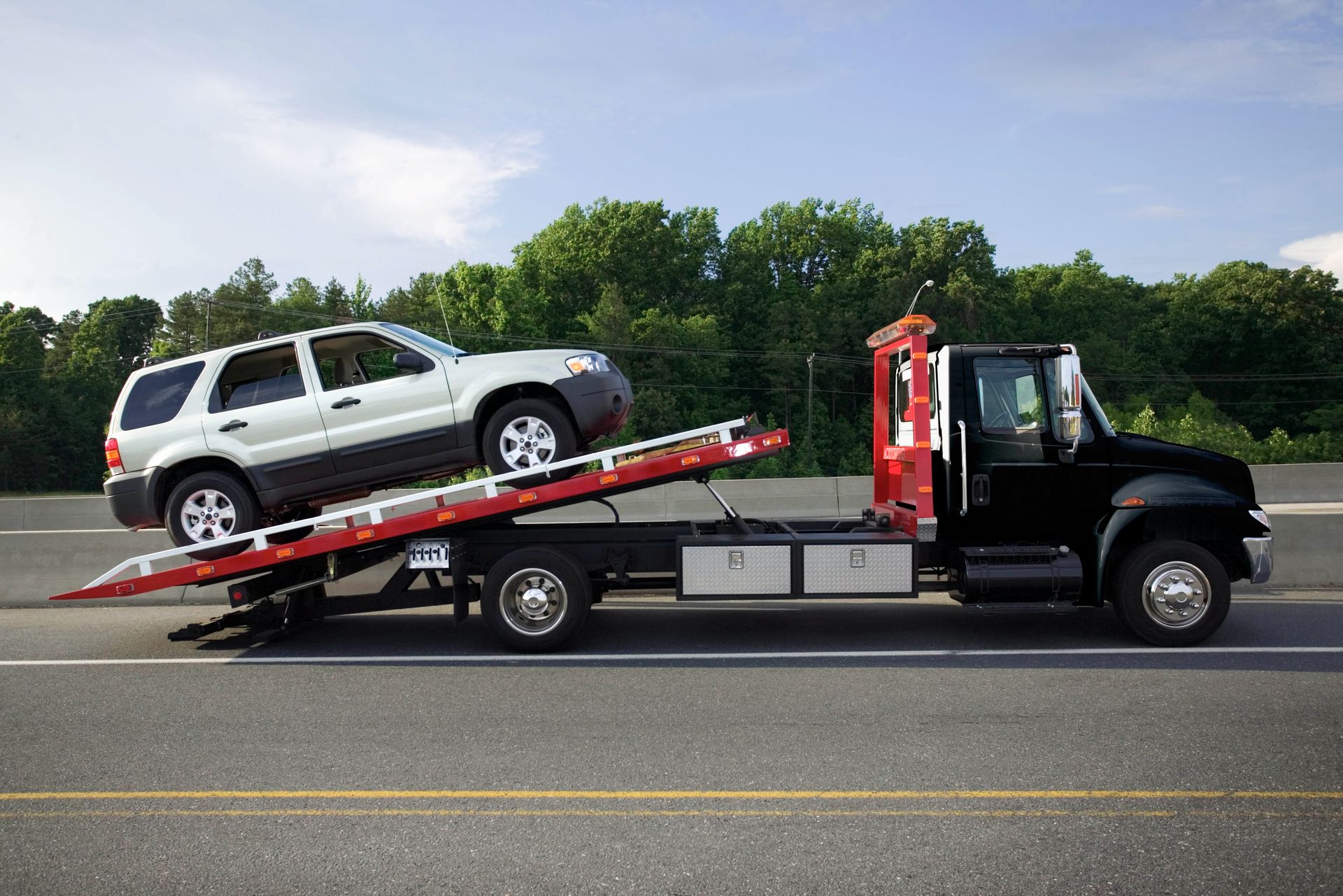
A well-equipped roadside organization provides diverse transport solutions tailored to specific vehicle types, weight requirements, and unique breakdown scenarios. Standard wheel-lift towing services work exceptionally well for short-distance moves and tight urban parking structures, lifting vehicles securely by their tires to prevent frame contact or body scrapes. For luxury sports cars, lowered vehicles, all-wheel-drive sedans, or heavily damaged automobiles, flatbed carriers offer complete elevation off the pavement, keeping sensitive vehicle components entirely protected from road debris and driveline wear throughout the entire journey.
In addition to traditional vehicle transport, versatile providers offer essential roadside resolution assistance to address minor mechanical issues directly on site. Drivers who experience minor setbacks often require immediate interventions like tire swaps, battery jump-starts, fuel delivery, or lockout assistance rather than a full haul to a distant repair facility. Offering a flexible spectrum of solutions allows recovery firms to address diverse roadside situations swiftly, returning motorists to the road whenever safely possible or moving vehicles safely to preferred mechanics when complex repairs are necessary. Having access to versatile equipment ensures that every vehicle receives the exact method of transport required for its specific engineering.
4. Fair Pricing Models And Transparent Estimates
Clear and upfront pricing forms the foundation of positive customer interactions and long-term satisfaction in the vehicle recovery industry. Reputable service providers issue comprehensive price estimates prior to dispatching equipment, detailing standard hookup fees, per-mile rates, administrative charges, and potential operational adjustments. Understanding these fee structures in advance prevents unexpected financial surprises once the transport process concludes at the designated destination or repair shop. Honest service providers take pride in explaining their fee schedule clearly so that customers feel fully informed before work begins.
Transparency also extends to accepting multiple convenient payment methods and providing detailed, itemized receipts for seamless insurance reimbursement processing. Many comprehensive auto insurance policies, auto club memberships, or credit card programs offer roadside allowances, making clear documentation essential for policyholders seeking full reimbursement. Reliable towing services maintain open communication regarding costs, explaining any extra charges that may arise from complex winch extractions, off-road recoveries, specialized dollies, or late-night service calls before performing the work. This upfront clarity fosters mutual respect and reassures customers that they are receiving fair value for essential professional support.
5. High Standards Through Fleet Upkeep
The quality and reliability of a roadside assistance company depend heavily on the continuous maintenance and mechanical condition of its commercial fleet. Modern transport vehicles undergo routine mechanical inspections, engine tune-ups, and hydraulic line checks to prevent operational failures or unexpected delays while on duty. Clean, well-maintained flatbeds and wheel-lift units reflect a company's dedication to operational excellence, assuring clients that their personal vehicles are being handled by capable, well-equipped hands. A disciplined maintenance routine ensures that recovery vehicles remain dependable even during harsh weather or high-demand periods.
Investments in updated transport technology enable providers to service newer vehicle models, including electric vehicles and complex hybrids that require specialized handling procedures to avoid battery or motor damage. Modern hydraulic winch systems, soft-strap wheel tie-downs, and air-suspension bed leveling features prevent cosmetic scratches and structural damage during the delicate loading and transit phases. When an organization prioritizes routine fleet maintenance and modern equipment upgrades, it consistently delivers secure, reliable transport services to every motorist in need of assistance.
Understanding the standard practices, equipment capabilities, certified qualifications, and safety protocols of modern light-duty transport providers ensures that drivers remain prepared for unexpected vehicle disruptions. Prompt arrival times, qualified technicians, versatile machinery, transparent pricing structures, and well-maintained fleets collectively define a superior roadside assistance experience. By recognizing these essential service benchmarks, vehicle owners can confidently navigate unexpected mechanical breakdowns, knowing exactly what to expect from professional transport teams when seeking assistance.
When unexpected vehicle issues arise on the road, having a dependable recovery partner makes all the difference in restoring peace of mind. For prompt, professional, and highly reliable
towing services tailored to your vehicle's specific requirements, contact Big Toe Towing & Recovery today to request immediate roadside assistance or schedule a transport service with our dedicated team.