July 16, 2026
Booking a long-distance tow can be a daunting task, but asking the right questions beforehand can make the process smoother and more reassuring. This article offers a structured inquiry approach, ensuring that you select the best vehicle transport provider for your specific needs. Understanding the nuances of different companies and their operations is crucial for a hassle-free experience during long-distance travel. By knowing what to ask, you equip yourself with necessary information that shields you from hidden costs and service mishaps. Let us delve into the essential questions and answers, helping you make an informed, confident decision.
When you are preparing for a major vehicle relocation, relying on a network that understands both regional highways and community operations is highly beneficial. Seeking assistance from experienced professionals who specialize in cross-country transport ensures that your investment remains secure throughout the entire journey. By taking the time to evaluate providers, you can avoid common pitfalls such as unexpected delays or poor communication. Let us explore the critical questions you should present to any prospective provider before finalizing your arrangements.
1. What Sort of Estimates Do You Provide?
The total cost of a long-distance tow can vary significantly, depending on the base fee and mileage charges, so it's always a good idea to ask for an estimate. Many companies structure their fees based on a basic flat rate for initial service, with additional charges accruing per mile beyond a certain point. It is essential to clarify these fees upfront to avoid unexpected expenses, especially for extensive distances. Ensured clarity regarding financial obligations allows vehicle owners to weigh their options effectively without rushing into a contract.
Ensuring transparency in pricing helps in budget planning and can prevent a financial surprise when the bill arrives after the service. Considering the sheer number of towing businesses in the US, totaling 40,287 according to IBISWorld, comparing rates beforehand is advantageous. While evaluating your options, checking the rates of local towing services can give you a baseline understanding of standard regional pricing models. This comparative data enables you to spot outliers and choose a provider that offers fair, market-competitive pricing.
2. What Experience Does the Company Possess?
The experience of a vehicle transport provider is a critical factor when selecting a team for your long-distance needs. Companies with longer histories in the industry often have proven track records of reliability and operational stability. Years in operation can signify expertise in handling various highway situations and adapting to challenging route changes. Newer businesses might still offer reliable options, but they may lack the breadth of knowledge needed for complex transport scenarios.
Professional certifications and industry affiliations also serve as excellent indicators of a company's commitment to quality and highway safety. These credentials often mean that their operators have undergone specialized training and strictly adhere to federal regulations. When you consult with local towing services about their qualifications, you gain insight into their everyday operational standards and safety protocols. This helps separate highly professional, compliant operations from less reliable options that might jeopardize your vehicle.
3. What Areas Do Their Operations Cover?
Clarifying the geographic coverage of a vehicle transport provider is essential, particularly if your route passes through different regions or states. Some operations may have strict limitations on the distance or specific zones they cover, directly impacting their suitability for your travel needs. Ensuring they are familiar with long highway stretches or particular interstate corridors can greatly affect timeliness and overall service quality. Opting for a provider with wide geographic coverage ensures continuity and minimizes logistical hurdles during transit.
If your travel involves remote or less accessible regions, verify if the provider can service these isolated locations effectively. Not all companies have the capability or dispatch resources to operate efficiently outside of major metropolitan hubs, which can delay assistance. It is often helpful to inquire if they partner with local towing services along the route to manage potential emergencies. This network connectivity ensures that if an issue arises in a remote zone, localized help is readily available to assist.
4. What Types of Vehicles Can They Accommodate?
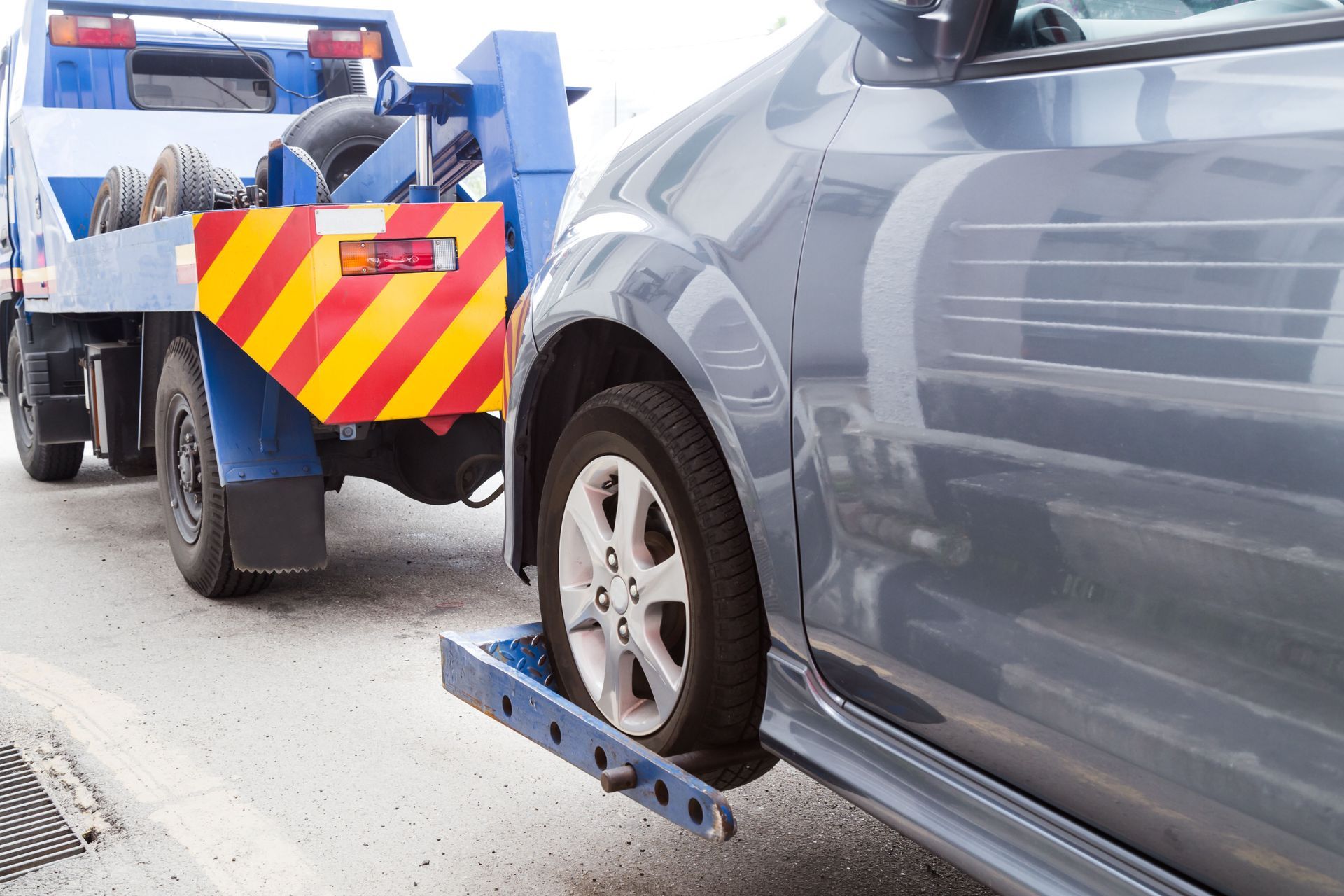
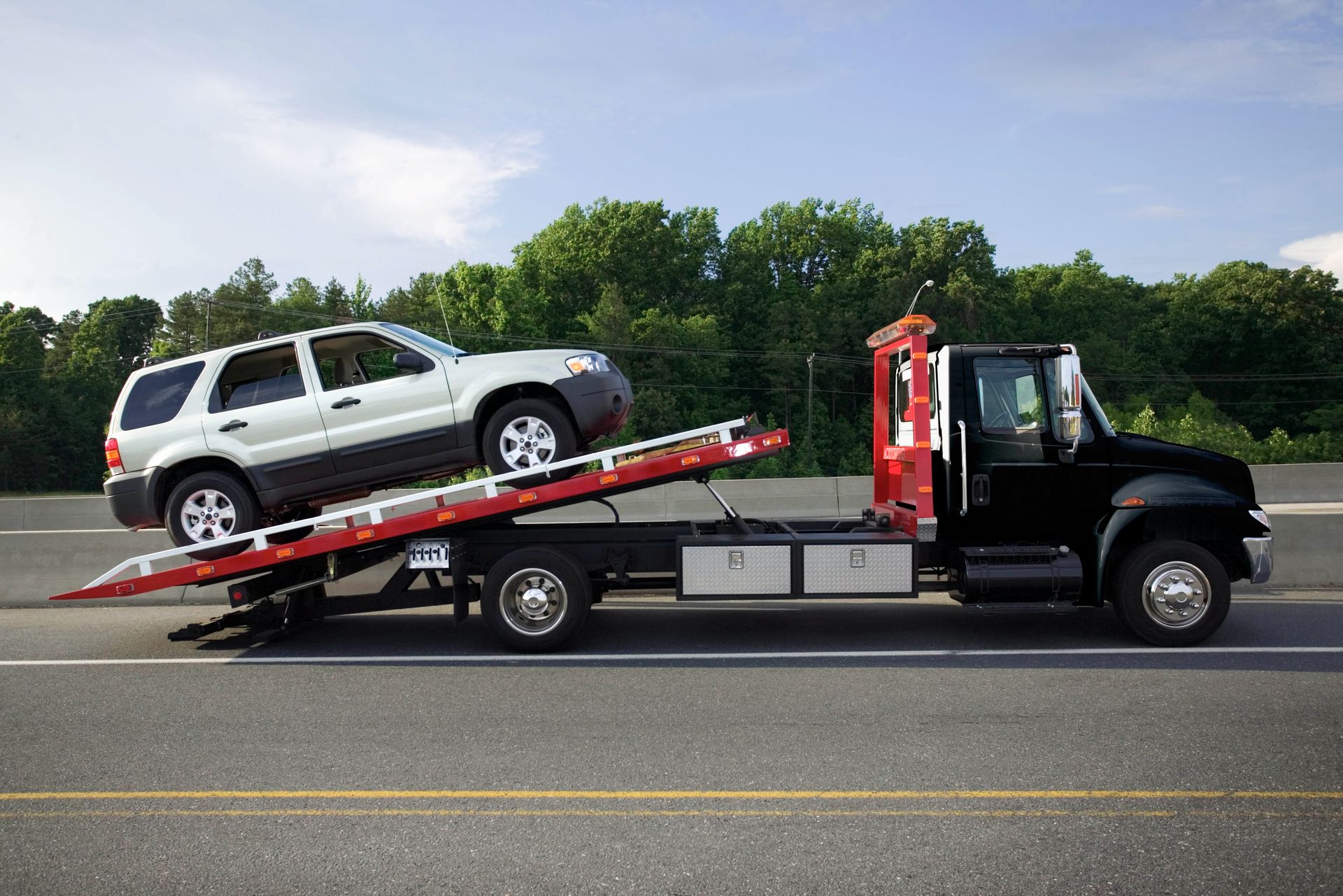
Most transport fleets are fully equipped to handle standard cars, sedans, and light trucks, but it is always wise to confirm this capability. Understanding the specifics of their loading procedures for your exact model can ensure proper handling and reduce stress. Discussing whether they employ flatbed transport or wheel-lift methods aids in gauging suitability and minimizing potential risks to your transmission. It is essential to choose an operation with a proven track record of handling common consumer vehicles safely.
For specialized vehicles like luxury cars, vintage models, heavy-duty trucks, or motorcycles, specialized equipment becomes absolute necessity. Towing large vehicles involves significant logistical challenges and demands unique skills, heavy-duty rigs, and specific tie-down components. Even when dealing with high-end specialized haulers, reviewing how regional teams utilize local towing services for the initial pick-up can clarify the first steps of the journey. Ensuring the right equipment is deployed from the very beginning protects your vehicle from cosmetic or mechanical damage.
5. What Specific Provisions Exist For Long Hauls?
It is important to clarify if there are notable differences between long-haul operations and standard short-distance trips offered by the provider. Long-distance transits require extended planning, detailed route mapping, and specialized logistics that are simply not necessary during short trips. Companies may provide distinct service terms, different trailer options, or specialized pricing structures tailored specifically for long-haul assignments. Understanding these differences aids in setting realistic timeline expectations and preparing your vehicle for the extended journey.
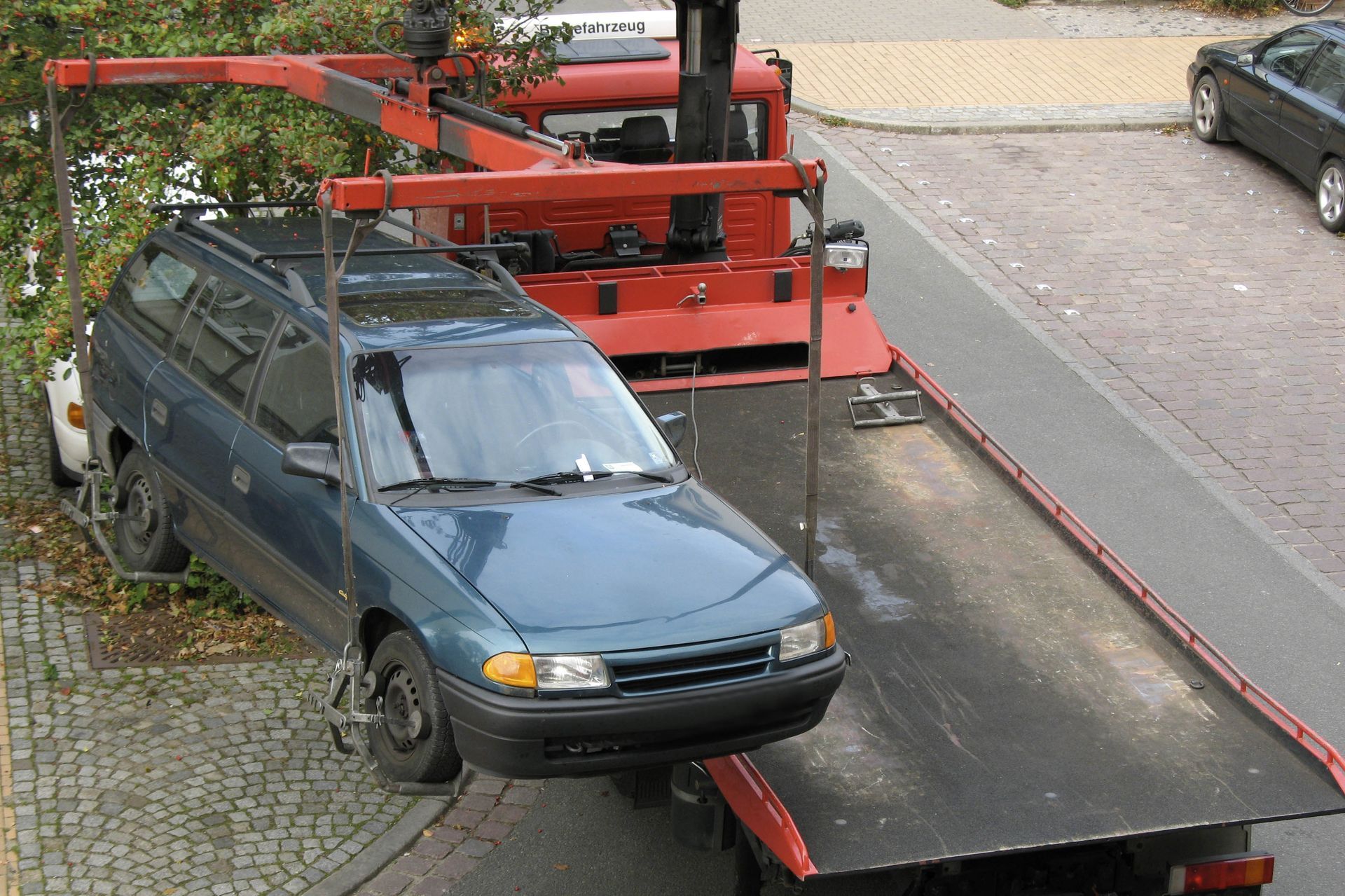
Safe vehicle securement is vital during long-distance transits to protect against vibrations, weather elements, and shifting over hundreds of miles. Discuss the methods, materials, and tie-down techniques used to secure your vehicle onto the transport trailer before it departs. Learning how long-distance transport fleets coordinate with local towing services for secure short-term storage during overnight stops can provide immense peace of mind. Knowing your vehicle is monitored in a secure lot during driver rest periods ensures its safety until delivery.
6. What Level of Customer Care is Provided?
Round-the-clock customer support is essential in the transport industry, ensuring you can get updates or assistance at any hour of the day. Verifying the availability of live support helps you prepare for potential emergencies or schedule adjustments encountered during transit. Immediate access to a knowledgeable representative can alleviate stress and provide real-time solutions to unexpected logistical issues promptly. Companies that offer comprehensive support embody a deep understanding of the unpredictable nature of long-distance highway travel.
Reliable direct contact methods, transparent update protocols, and clear dispute resolution processes are the hallmarks of a reputable transport business. From the initial inquiry to the final offloading, each stage of the journey should be communicated clearly and honestly. If you ever need to verify the credentials or local standing of a contractor, cross-referencing with local towing services can clarify their reputation in the community. Reliable communication channels empower vehicle owners, enhancing satisfaction and ensuring you are fully informed every single mile of the way.
Properly vetting a transport provider by asking these essential questions can greatly improve your long-distance shipping experience and overall peace of mind. The information gathered ensures the efficiency and safety of the transit while helping you select a team that offers true value and professionalism. As there are numerous businesses operating within the automotive transportation industry, taking the time to investigate potential providers saves you from financial stress.
When planning an interstate move or vehicle relocation, having a dependable partner makes all the difference in the world. Utilizing professional networks, including reputable
local towing services, ensures that your vehicle is handled with care from the moment it is loaded until it arrives at its destination. For a seamless, professional, and entirely transparent vehicle transport experience that prioritizes the safety of your investment, reach out to Big Toe Towing & Recovery today to discuss your upcoming long-distance towing needs.