November 17, 2026
The towing industry is a complex network of services, each with its own cost implications. Understanding the various factors that influence towing service costs can save consumers a significant amount of money and ensure they receive the best possible service. Whether caught off guard by a sudden breakdown or planning a scheduled tow, knowing what influences costs can guide decision-making and budgeting. This article aims to explain the factors that drive towing costs and help you budget and plan. By exploring each of these factors, individuals can be better prepared to handle towing situations efficiently and economically.
Evaluating Specific Vehicle Characteristics and Conditions
Assessing Gross Vehicle Weight and Size
The size and weight of a vehicle have a direct correlation with towing costs. Larger vehicles such as SUVs and trucks require more robust towing equipment and potentially more specialized handling, increasing the service's complexity. A sedan, for instance, will incur fewer costs than a loaded commercial truck due to the difference in weight class and structural requirements. Selecting the appropriate towing service ensures the right vehicle and equipment are dispatched, but this precision comes at an added expense. Therefore, understanding your vehicle's size and weight can give insights into your prospective towing costs.
Addressing Specialty Vehicle Handling and Care
Beyond conventional cars, specialty vehicles like motorcycles, luxury cars, or trucks add another layer of cost complexity. These vehicles often require additional precautions and specialized equipment, which raise operational expenses for towing companies. Whether it's custom cradles for motorcycles or flatbed trucks to prevent wear on luxury tires, these needs must be considered to establish fair pricing. Specialty vehicles demand not unique tools but also experienced personnel capable of managing assets with care, further influencing cost assessments. Thus, booking a specialized towing service often carries a premium for the extra effort and resources needed to handle such vehicles carefully.
Distinguishing Standard from Heavily Modified Vehicles
Standard vehicles like sedans or hatchbacks generally benefit from uniform towing costs due to their predictable transportation needs. However, non-standard or modified vehicles introduce a variable cost element that depends on their custom specifications. Enhanced suspensions, altered body frames, or aftermarket additions can complicate the towing process. Such modifications necessitate bespoke equipment or handling techniques, prompting changes in what consumers typically expect to pay. Therefore, understanding whether a vehicle is standard or uniquely configured is fundamental to anticipating accurate towing costs.
Evaluating Operable Versus Disabled Vehicle Conditions
A vehicle's condition plays a significant role in influencing towing costs, particularly its operational status. Operable vehicles are straightforward to maneuver and load, incurring standard towing tariffs. Conversely, inoperable vehicles, especially those involved in accidents, require additional effort and time for secure loading. This includes utilizing advanced towing equipment like winches or dollies, increasing the service price. Given this, requesting an emergency towing service with accurate details about your vehicle's condition can substantially affect the overall fee.
Selecting Essential Specialized Recovery Transport Gear
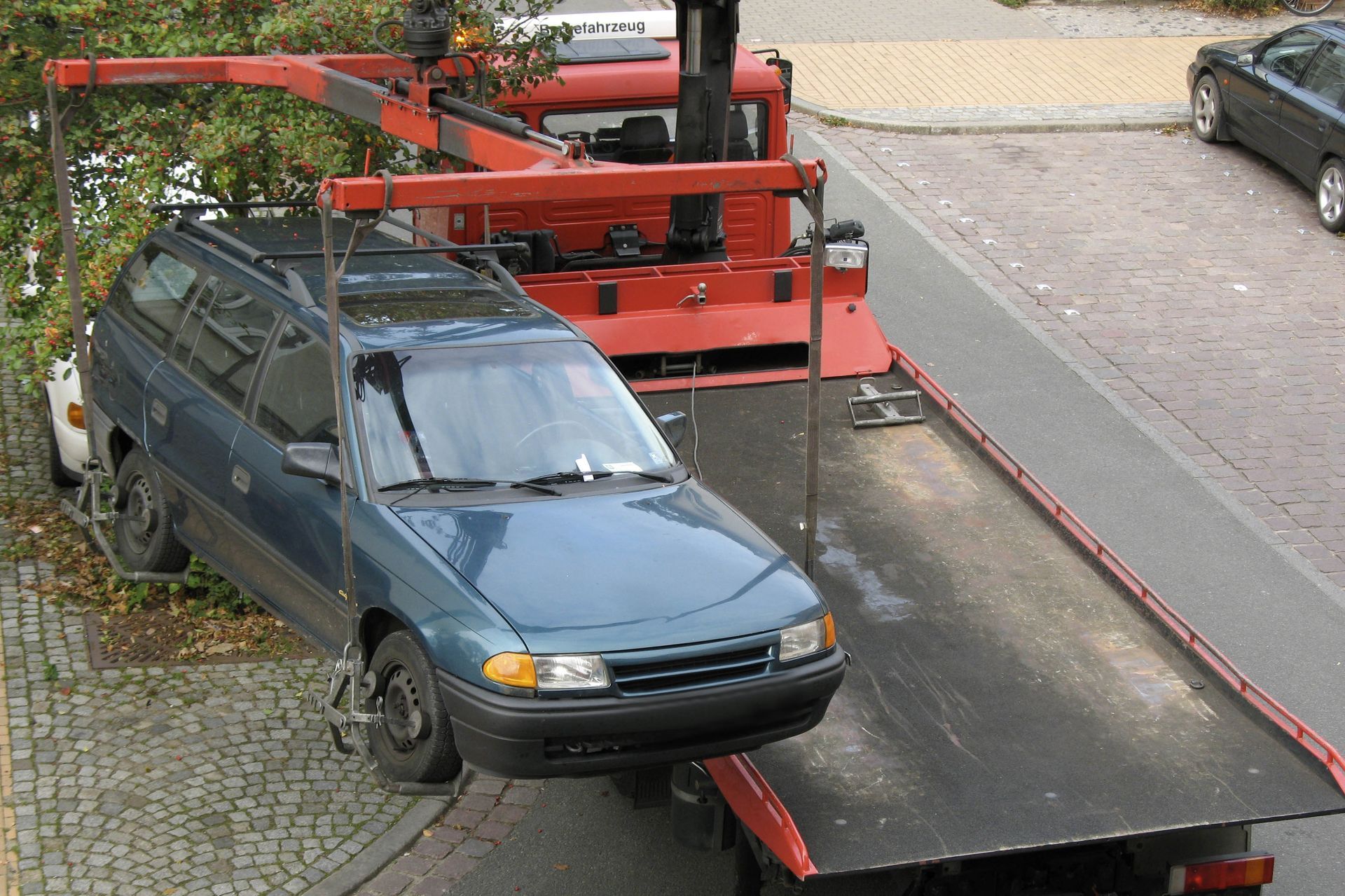
The need for particular towing equipment significantly affects service costs, depending largely on the vehicle's specifications. Whether a traditional tow truck suffices or if advanced gear like flatbeds or integrated tow apparatus is necessary impacts the overall pricing. Small cars might need standard towing, while larger or more specialized vehicles demand enhanced equipment for safe and secure transport. The equipment choice is crucial for protecting the towed vehicle from damage, reinforcing the modular nature of pricing depending on the machinery used. Consequently, the diversity of necessary equipment facilitates varying costs based on anticipated complexity and support.
Calculating Total Mileage and Scene Accessibility
Calculating Base Travel Mileage and Rates
One of the most evident factors influencing towing service costs is the distance between the service point and the destination, typically calculated in mileage. According to The Zebra, the average cost per mile for towing ranges from $2.50 per mile on the low end to as much as $7 per mile on the high end. Different companies might set varying thresholds for inclusion of initial miles in the base fee, impacting cost assessments. Beyond these standard allowances, fees quickly escalate as distance rises, linking transport mileage directly with rising expenses. Understanding these modular charges helps consumers estimate possible expenditures, factoring in both starting locations and end destinations.
Comparing Dense Urban Versus Remote Locations
The dichotomy between urban and rural towing significantly influences service costs, attributable to varying accessibility and logistics. Urban centers often provide towing companies with ample clientele and compressed operational radii, fostering price competitiveness. In contrast, rural areas encounter sparse populations over expansive regions, diminishing towing frequency and heightening travel considerations. Securing a rural towing service involves protracted travel routes and often isolated service points, introducing additional time and fuel costs, leading to elevated pricing structures. Consequently, this urban-rural bifurcation underpins substantial operational and cost disparities in the towing sector.
Navigating Difficult Ground and Narrow Clearances
Location accessibility introduces a multifaceted aspect into towing service costs, hinging on how easily accessibility enables swift engagement. Restricted access areas create additional operational requirements, including maneuvering narrow streets, confined spaces, or otherwise obstructed locations. These scenarios call upon enhanced equipment proficiency, relying on specialized training to ensure seamless vehicle recovery amid constraints. Recognizing these trapping environments informs strategic planning, empowering towing businesses to meet client needs while justifying extra charges. Pre-identifying potential access hurdles offers an opportunity for cost-effective preventive measures.
Managing Adverse Weather and Schedule Surcharges
The effects of timing and environmental conditions substantially influence towing costs, informed by operators’ need to adapt to variable elements across differing timescales. Demand fluctuation relative to a given time of day dictates towing availability and may relate directly to after-hours surcharges. Dispatching a prompt towing service during severe winter storms, late nights, or holidays impacts overall expense, driven by round-the-clock logistics bringing heightened attention to essential service demands. Consumers need to appreciate the additional effort associated with undertaking services amid periods of reduced availability. Recognizing the nuances of coordinating efficient operations under these circumstances emphasizes their tendency to increase comprehensive service expectations and costs.
Addressing Regulatory Rules for Cross-Border Transport
Complexities of cross-border tows introduce a host of considerations extending beyond domestic standards, entailing extensive planning, due diligence, and cooperation. Attributes influencing these circumstances encompass governmental requirements, administrative clearances, legal ramifications, and prohibitive cost interventions. Understanding how service provision adjusts amid evolving national or state boundaries requires comprehension of interconnected policies to ensure full compliance and operational integrity. Effectively orienting around these intricate layers engenders multilayered cooperation, facilitating elevated diligence, ultimately impacting towing costs exponentially.
Selecting Qualified Providers and Pricing Models
Reviewing Standard Dispatch Invoicing and Rates
The heterogeneity of towing service provision reflects significant differences in pricing models characteristic of distinct operational methodologies. Companies uphold strategic direction through comprehensive pricing schemes, potentially setting separate transaction tiers exclusive of standard memorandum-based operations. Selecting a transparent towing service clarifies recurring fee structures, facilitating price adequacy in contractual contexts, and strengthening customer relationships. With comprehensive guidelines underlying services, individuals navigate pricing with ease by ensuring clear understanding of procedural shifts between dissimilar engagements. This transparency elevates expectations with guiding principles, setting consistent expectations across customer-defined pricing synopses.
Verifying Company Reliability and Established Standing
Reputation stands as a critical influencer affecting towing service cost calculations, serving to diversify trustworthiness gauges throughout customer interactions. Towing businesses entrenched within industry ties furnish assurance through affiliation renewal across loyal customer base registrants. This allegiance translates into verified precision capabilities promoted within expansive service domains, leading to elevated cost insight frameworks translating through paragraph-based annotations securing reputations. Subsequent positive relations ensure consistent cost maintenance, meeting constraints specified amid regulatory pricing conditions established through dynamic discourse negotiation designed to mitigate customer grievances.
Navigating roadside breakdowns and planned vehicle transport becomes far more manageable when you understand the primary variables driving final service costs. From the weight and condition of your automobile to total travel distance, terrain challenges, and the specific equipment required, each detail influences the final estimate. By recognizing these cost components in advance and partnering with reputable, transparent operators, you can avoid unexpected surcharges and secure dependable assistance whenever unexpected vehicle trouble strikes.
Get fast, dependable roadside assistance and transparent pricing by contacting Big Toe Towing & Recovery today for all your towing needs!